
Before railways, footpath networks connected Tanzania's Indian Ocean coast with inland markets. Caravans carried ivory, cloth, salt, copper and other goods. African traders, porters, inland rulers and coastal merchants shaped the routes, which brought opportunity alongside enslavement and coercion.
A network built through labour
Caravans could contain hundreds of people. Porters carried goods over long distances, while settlements supplied food, water and rest. Routes changed in response to seasons, local political authority, trade opportunities and security.
The Nyamwezi, from the region associated with present-day Tabora, were especially important to the long-distance porterage economy. Historical research shows that many porters were free wage workers who also farmed, although the caravan economy also involved enslavement and other forms of coercion.
Neither account is complete alone. Many porters were skilled wage workers; others were enslaved or coerced. Both histories must remain visible.
Trade brought wealth and goods into some communities, but also weapons, political conflict, exploitation and profound changes to social life. Coastal and inland people negotiated, competed and exercised authority. They were not passive figures in a story driven only by foreign traders or European explorers.
The central caravan corridor
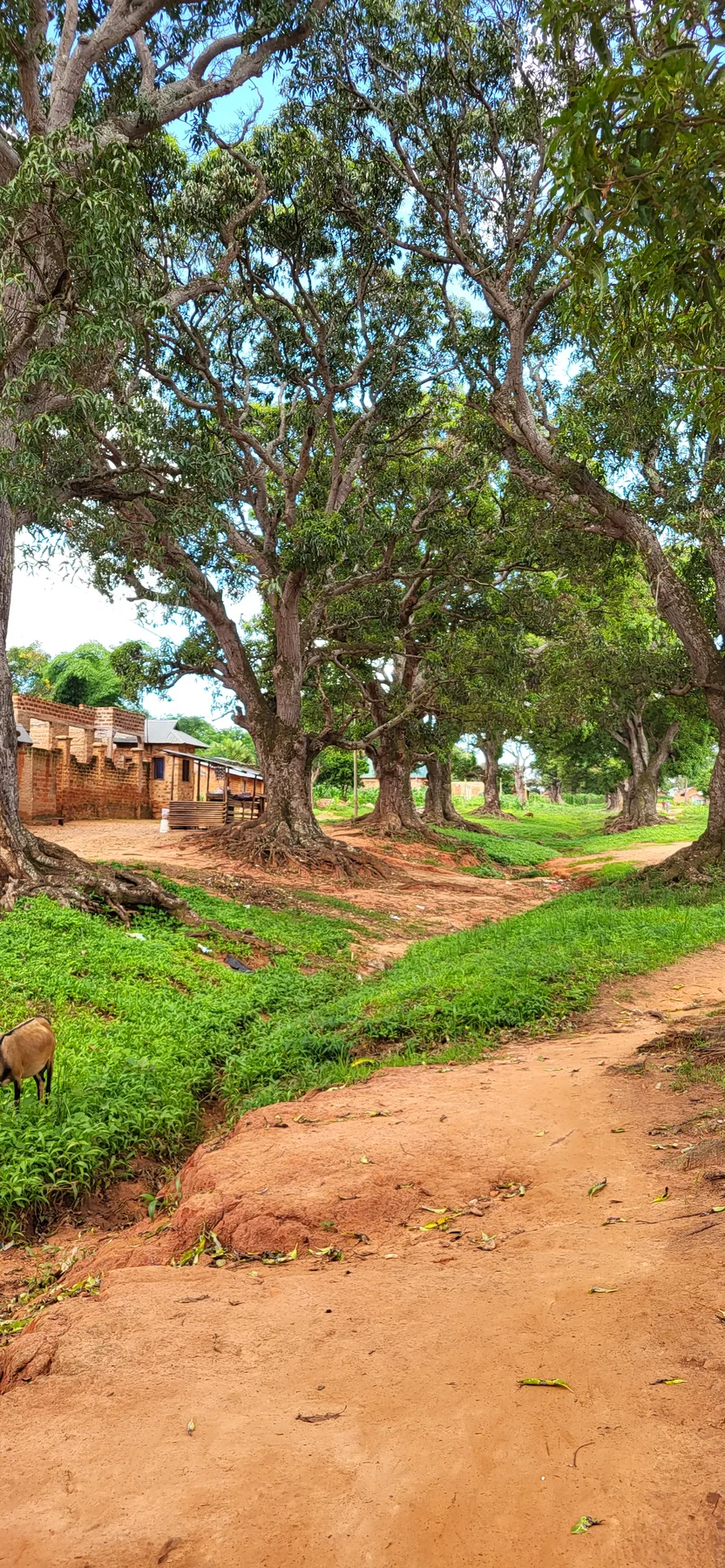
The best-known caravan corridor connected Ujiji, on Lake Tanganyika, with Tabora and the country farther east, eventually reaching coastal ports including Bagamoyo and Saadani.
This was no fixed road. Paths, branches, place names and settlements changed over time.
Ujiji
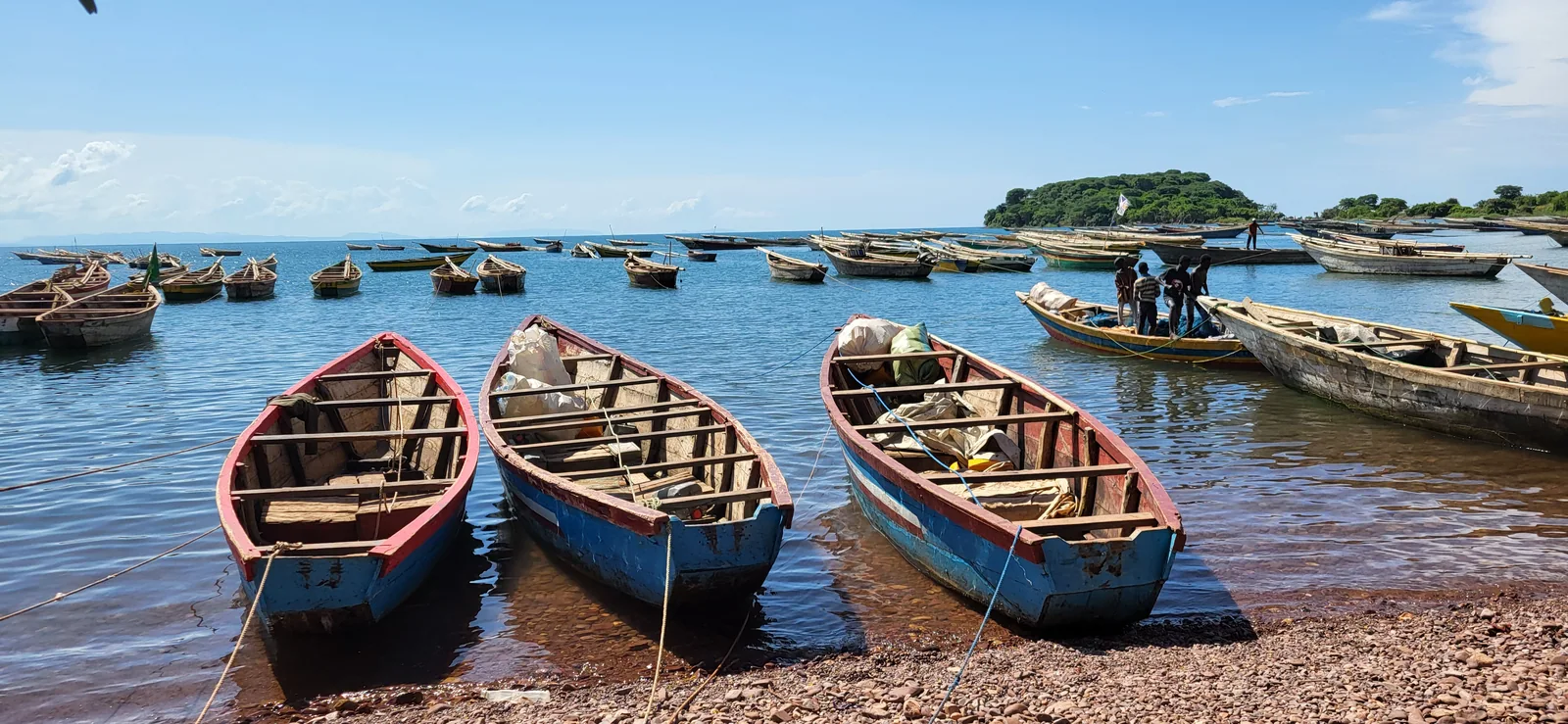
Ujiji was a major settlement where goods and people arrived from around Lake Tanganyika and areas beyond it. Its position matters more historically than the famous 1871 encounter between Stanley and Livingstone, though that episode remains part of its story.
Memorials, local heritage interpretation and the history of the lake trade provide ways of approaching the place today. Any account of its trading history must include enslavement, as well as the agency of local communities and merchants.
Uvinza and salt
Uvinza, inland from the lake, is associated with salt production and regional exchange. Salt was valuable for everyday life and for provisioning the people moving through the interior.
Caravans also relied on local products and settlements, many with few surviving monuments.
Tabora, Kazeh and Unyamwezi
Tabora, historically associated with Kazeh, became an important inland trading and political centre. Connections with Kwihara, the Livingstone Tembe and surrounding localities make the area relevant to heritage exploration.
The region also helps illuminate African political power. Chief Mirambo, associated with Urambo, and other leaders shaped the trading environment through military, diplomatic and economic influence.
Tabora was not simply a depot created by coastal traders. Its history involved local rulers, farmers, workers, resident merchants and changing alliances.
Crossing central Tanzania
To the east, the caravan networks passed through areas associated with Ugogo and settlements now in the Singida, Dodoma and Morogoro regions. Historical places connected to the story include Kilimatinde, Manyoni, Mpwapwa, Mamboya and the Morogoro area.
Water and terrain influenced where people could stop. Small communities could become important because they supplied food or shelter, while political conditions affected the terms under which travellers passed.
Some traces survive in buildings, memorials, local traditions or interpreted archaeological remains. Others survive mainly in historical accounts. Their exact locations should be researched rather than presumed from a modern road map.
Bagamoyo
Bagamoyo became an important coastal centre in the long-distance trade, positioned opposite Zanzibar and connected to the caravan economy. The town's surviving buildings and interpreted sites include the Caravan Serai and places associated with commerce, religion and later colonial history.
Bagamoyo is also a living town. Its heritage includes multiple histories, and not every older building can be attributed confidently to a particular event or transaction.
Across the water, Zanzibar connected mainland commerce with the wider Indian Ocean. Port cities, shipping networks and commercial demand influenced what moved through the interior.
Northern and southern corridors
The central route is only one part of the picture.
The Pangani corridor
Northern routes linked coastal places such as Pangani and Tanga with the interior, through regions associated with the Pare and Usambara mountains and towards other northern trading areas.
These routes help explain why a coast–interior history belongs alongside the histories of mountain communities, not only in the familiar central corridor. They also show that trade was shaped by more than a single Zanzibar–Tabora axis.
The southern corridors
Trade connections also reached inland from Kilwa and Lindi, linking southern regions and areas towards Lake Nyasa. The coast's trading towns had long histories of Indian Ocean exchange that cannot all be reduced to nineteenth-century caravans.
The medieval ruins of Kilwa Kisiwani and Songo Mnara, for instance, illuminate earlier Swahili urban power and architecture. Their importance predates the nineteenth-century ivory-and-slave-trade networks.
Branches, alternatives and changing roads
Historical routes formed clusters of trails rather than fixed lines. A modern name such as 'the Great Ruaha route' or 'the Karagwe route' may appear in older accounts, but its exact alignment needs specialist historical work.
Understand these connections as a changing network, not a signposted walking or cycling route.
Trade and its consequences
Towns and markets
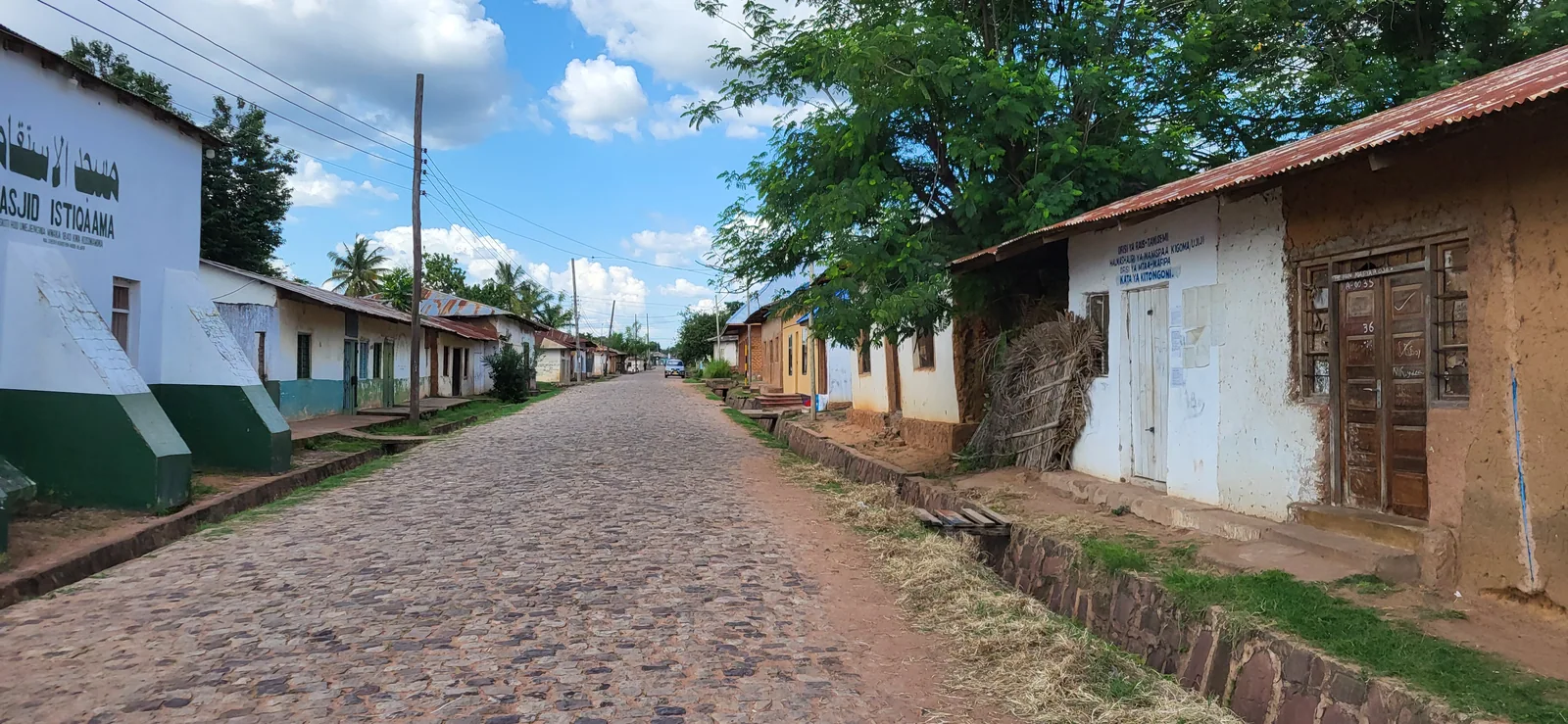
Caravan stops could develop into places where goods were stored, people were recruited, food was sold and different communities settled. The growth of Tabora and Ujiji is inseparable from this commercial history.
Language, religion and culture
Sustained contact carried ideas as well as goods. Kiswahili, coastal styles of dress, religious practices and products circulated along these connections. Their spread was shaped through local adoption and negotiation, not simply imposed from the coast.
Political power
Rulers and communities could tax, supply, restrict or protect trade. The relationship between coastal merchants and inland leaders was often negotiated and sometimes contested. That makes local African history central to any serious account of the routes.
Enslavement and its memory
The violence of slave trading and forced labour must remain visible. Yet heritage institutions also need to tell the histories of wage porters, traders, farmers, rulers and the communities whose lives were transformed.
The Central Slave and Ivory Trade Route is on Tanzania's UNESCO World Heritage Tentative List. This is a proposal for possible future inscription, not an already inscribed World Heritage property.
Exploring this history today
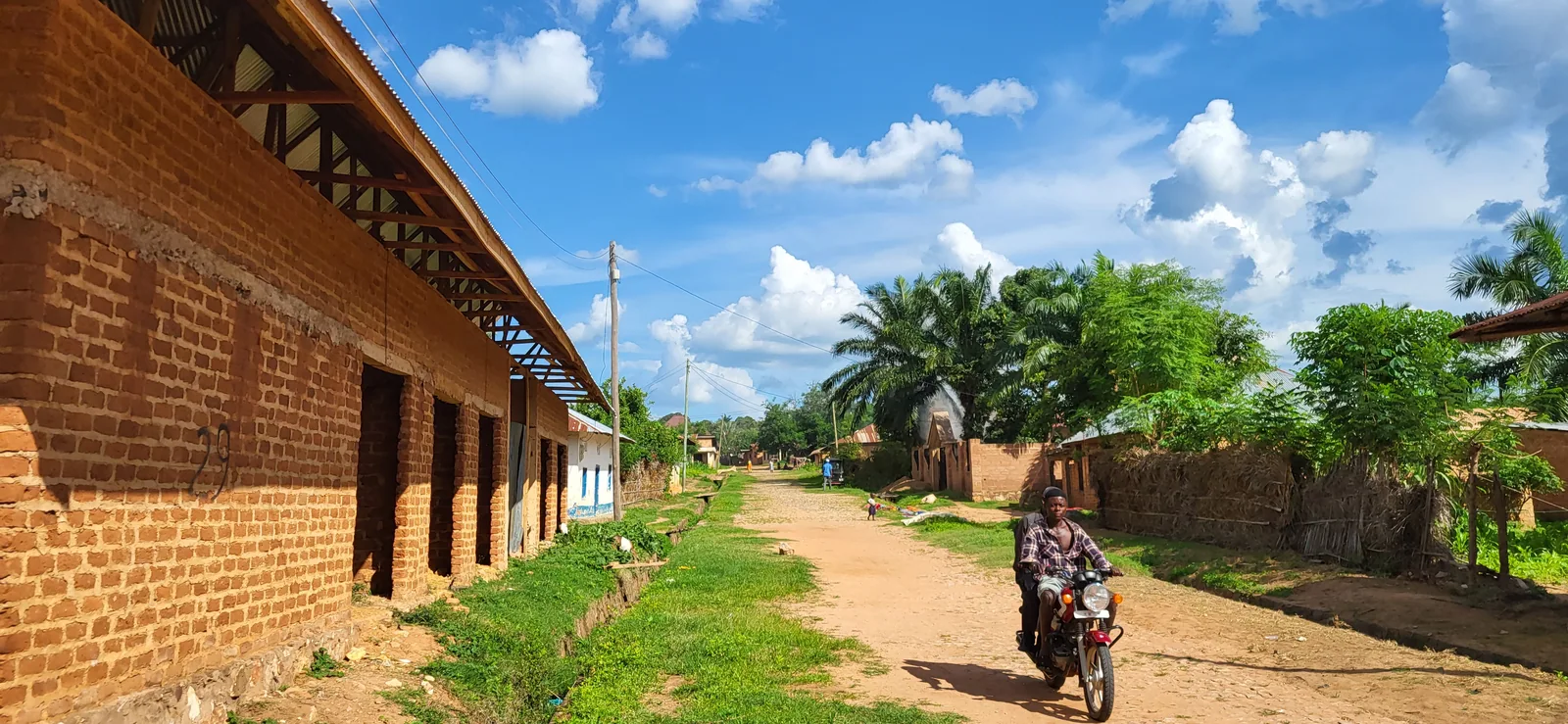
The best starting point may be a museum, preserved building or locally interpreted historic area, rather than attempting to follow an old path whose exact alignment is uncertain.
| Historical question | Places to investigate |
|---|---|
| How did the Great Lakes connect with the coast? | Ujiji, Kigoma, Uvinza and Tabora |
| Who carried goods and controlled trade? | Tabora, Unyamwezi, Urambo and local history collections |
| How did terrain shape movement? | Ugogo, Morogoro and the inland highlands |
| What happened at the coast? | Bagamoyo, Pangani and Zanzibar |
| How were southern routes different? | Kilwa, Lindi and the Lake Nyasa hinterland |
| Where are these histories preserved? | Museums, monuments, local research and heritage institutions |
Historic sites may have no signposted trail. Confirm admission and guide arrangements with the custodians of monuments and collections.
History, not a tour route
The original caravan roads are a way to understand Tanzania's connections across regions. They should not be marketed as an invitation to reenact forced journeys or to walk into private land or sensitive sites.
KAONE's Browse fees can assist with represented official museum and heritage admissions, but not every site is part of that catalogue. Trip scheduling is designed for supported protected-area experiences, not historic road reconstruction.