
A chimpanzee trek takes you into the forest to look for wild animals, not to a scheduled viewing. The search may be brief or strenuous. Walks with authorised guides or rangers can involve steep, humid trails before you see chimpanzees feeding, grooming, playing or moving through the canopy.
Both Mahale Mountains and Gombe lie beside Lake Tanganyika in western Tanzania. Mahale offers an extensive mountain and lakeshore landscape. Gombe is smaller, with steep forest and a research history closely associated with Jane Goodall. Neither park guarantees a sighting.
Mahale Mountains
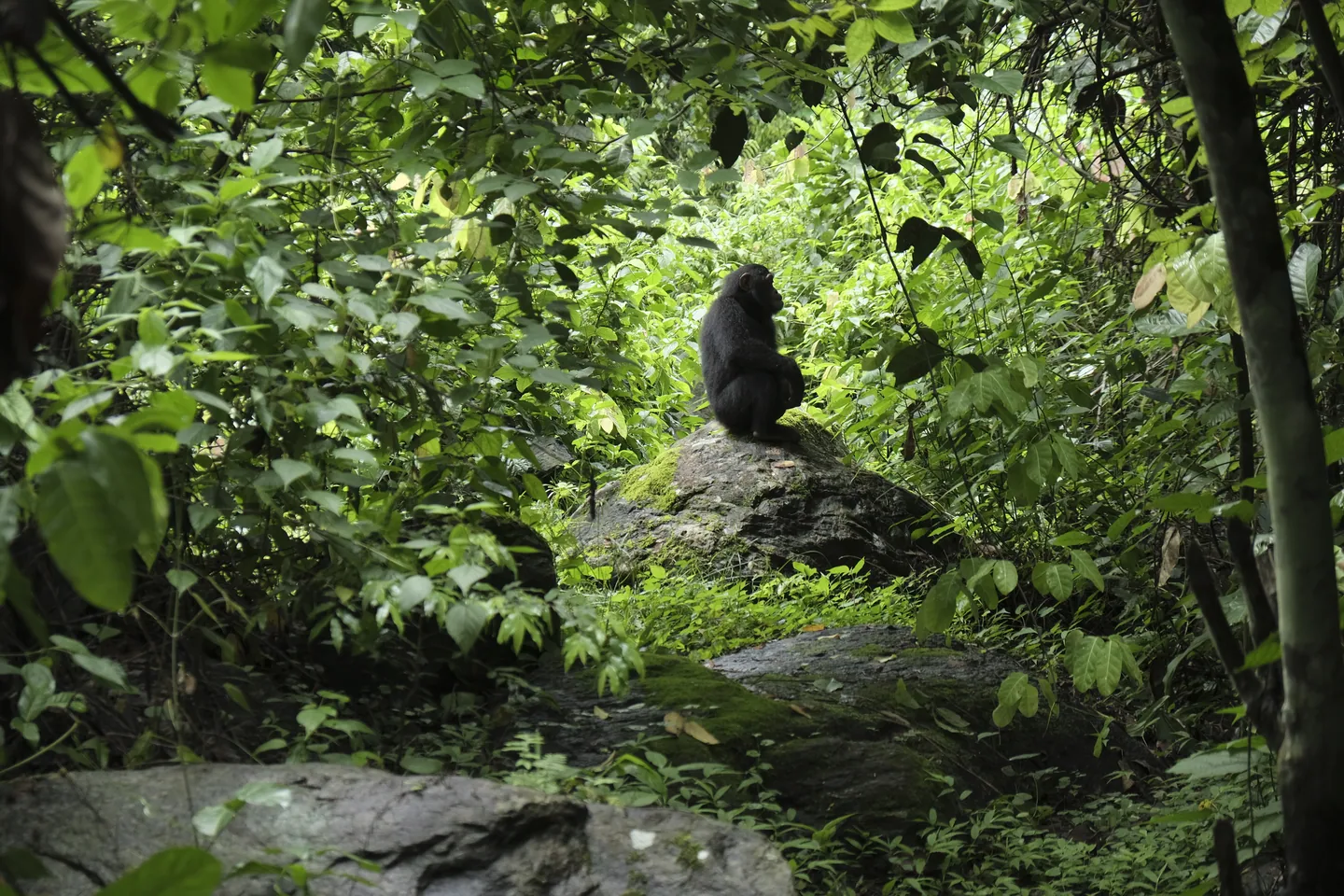
Mahale's forests rise above the eastern lakeshore, backed by mountains and beaches. The journey across the lake, the forest walks and the changing lakeside landscape are part of its appeal.
Chimpanzee trekking is the main draw. Park information also describes forest walks, birdwatching, lake excursions and hiking. Red-tailed and blue monkeys and other forest animals may also be encountered.
Mount Nkungwe, the highest part of the range, is a demanding separate mountain objective, not an extension of an ordinary chimpanzee trek. Published elevations differ, so check the current figure and ascent arrangements with the park.
Getting there
Park guidance describes routes via Kigoma, charter or seasonal flights, boats on Lake Tanganyika and limited road approaches. A possible route is not a confirmed service. Visitors may combine a flight and boat crossing, but actual transfers depend on the camp or operator.
Confirm the arrival point, boat connection, return transfer, baggage arrangements, weather contingencies and what happens after a delay. These details can determine whether a remote Mahale visit is practical.
Gombe
Gombe's steep forest valleys overlook Lake Tanganyika north of Kigoma. Jane Goodall's pioneering chimpanzee research adds a scientific and historical dimension to the visit.
The forest also supports baboons, red-tailed and blue monkeys and birdlife. Streams and waterfalls include Kakombe and Mkenke. Gombe is commonly reached by boat from Kigoma, so weather, boat arrangements and park formalities matter. Its small area does not make the trails easy.
Choosing between the parks
| Mahale Mountains | Gombe | |
|---|---|---|
| Forest | Extensive mountain forest, with potentially substantial climbs | Compact but steep lakeshore forest |
| Wider experience | Beaches, lake activities, birding, longer walks and Mount Nkungwe | Research history, waterfalls, birding and lakeshore views |
| Typical access | Remote, coordinated air, boat or other transfers | Boat from Kigoma |
| Main planning challenge | Transport and service coordination | Boat links, trekking places and forest conditions |
Both offer guided chimpanzee trekking. The comparison describes different experiences, not a ranking. Tracking effort depends on where the animals are found.
What to expect on a trek
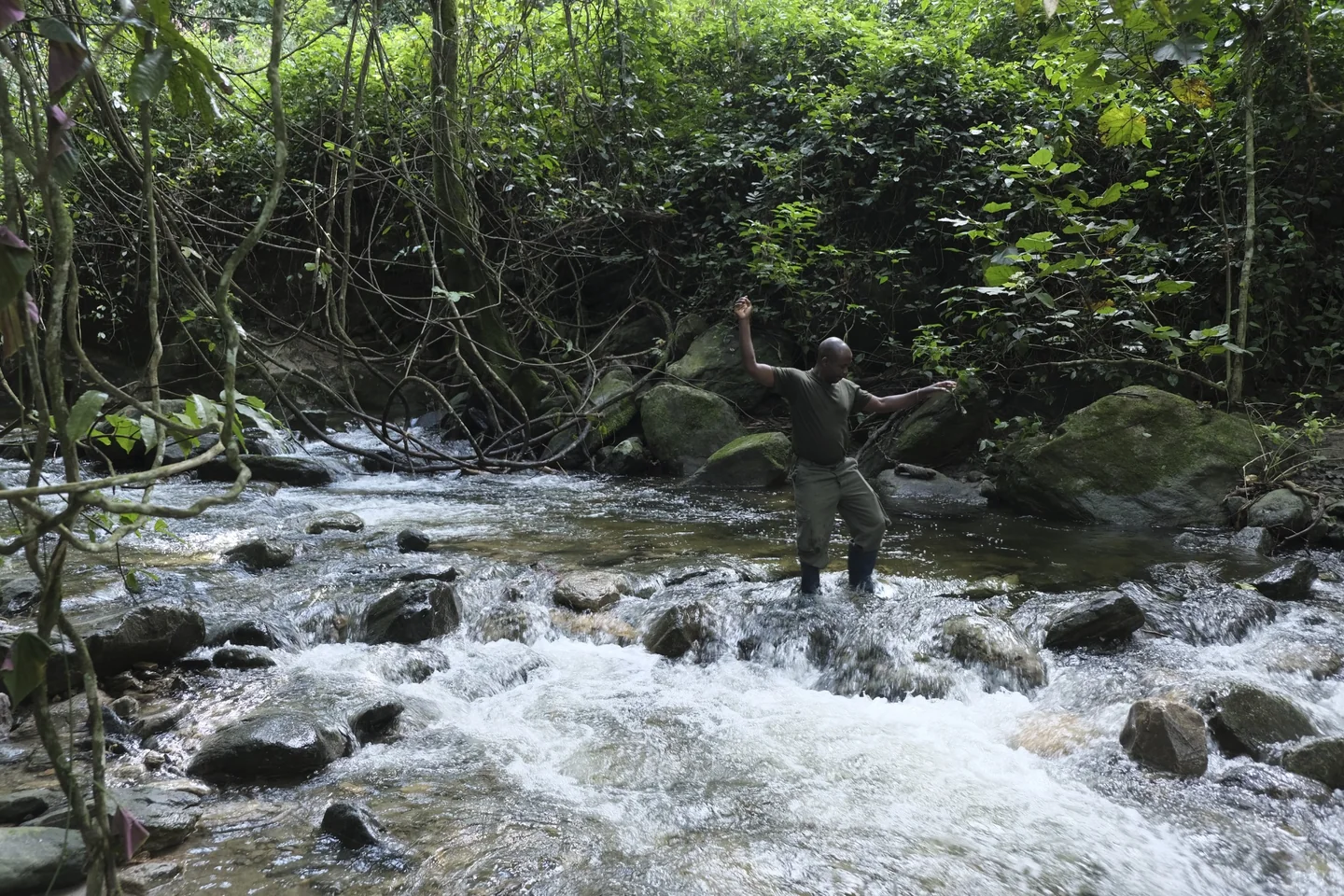
Tracking is commonly arranged in the morning, subject to park instructions. Guides follow evidence of chimpanzee movement, which determines the route and effort. Expect possible mud, rain, heat, uneven ground, waiting and climbing.
Good fitness helps. A brochure's description of moderate difficulty may not reflect a day when the animals have moved uphill. Wear shoes with good grip, carry water and rain protection, and follow the park's rules on what may enter the forest. Birds, other primates and the landscape remain part of the experience even when chimpanzees are not seen.
Chimpanzee-viewing rules
Humans can transmit disease to great apes. TANAPA's published Mahale rules include:
- No viewing by people who are ill or have an infectious disease.
- No chimpanzee viewing by children under 12.
- Keep at least 10 metres from chimpanzees.
- Wear a face mask when chimpanzees are encountered, or earlier if park staff instruct you.
- Do not eat or drink near the animals.
- Viewing is limited to one hour, subject to park rules and ranger direction.
- Follow group-size limits. Do not use flash photography, raise your voice or make sudden movements.
TANAPA's general and park-specific age guidance differs. Do not use park-fee age bands to determine trekking eligibility. Confirm the applicable age and group limits with the destination park, especially when travelling with children. Never approach, feed, touch or provoke chimpanzees; follow your guide's instructions on site.
Confirm current chimpanzee-viewing guidelines and Mahale-specific rules with TANAPA.
When to go
The relatively dry months, broadly June to October, are often favoured for forest walking and tracking. Conditions still vary by park and by the chimpanzees' food sources. In Mahale, groups may be higher on the slopes in the early dry season and sometimes nearer lower forest areas later.
Wet-season forests can be lush, with harder trails and different chimpanzee movements. These tendencies do not establish a sighting probability for your dates.
Beyond chimpanzee trekking
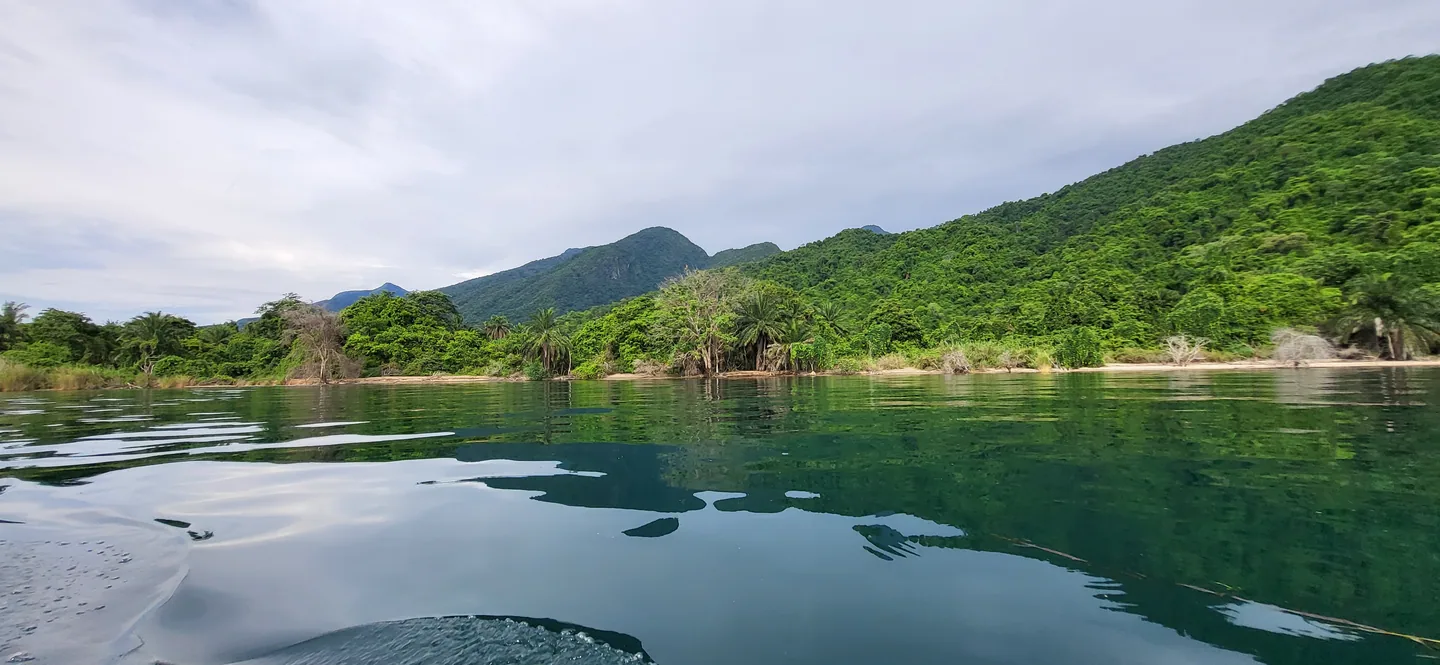
The lakeshore and forest offer other interests, subject to local permissions and actual arrangements.
- Forest walks and waterfalls. Both parks offer walking opportunities. Gombe is particularly associated with streams and waterfalls. A trail's existence does not mean unguided access is permitted.
- Boating and lake views. Mahale materials mention cruising, kayaking and other lake activities. Gombe's boat approach and shoreline add to the visit. Confirm the vessel, equipment, operator, route, weather and permits.
- Swimming, snorkelling and fishing. These appear in destination materials, but Lake Tanganyika has open-water hazards and activities may be restricted to designated places. Check safety, permissions and equipment with authorised operators.
- Birdwatching and primates. Blue and red-tailed monkeys, baboons, forest birds and waterside wildlife can be rewarding independently of a chimpanzee sighting.
- Longer mountain walks. Mount Nkungwe needs separate planning for duration, guides and current access; it should not be assumed to fit into an afternoon.
- Kigoma and Ujiji. The port, markets, lakeshore and layered history of inland trade offer cultural interests beyond park admission. Visits require their own arrangements.
Fees and arrangements
A visit may involve separate costs for park entry, trekking, rangers, overnight facilities, lake or air transfers and private accommodation. Ask providers to distinguish official charges from their own services.
Browse official fees or calculate supported protected-area fees. Trip scheduling can help place supported activities within your protected-area days. It does not confirm transport between cities, lake transfers, chimpanzee sightings or provider reservations.
Exploring the wider lake region
Mahale and Gombe are part of a much larger Lake Tanganyika landscape. Kigoma and Ujiji connect lakeshore life with ports and long-distance trade history. Fishing communities, forest research and local history provide other perspectives on western Tanzania. Travel between these places needs separate arrangements.
Continue with Tanzania's Great Lakes, caravan routes or conservation and communities.